

Some cabins feel warm before anyone says a word. It is not just the fireplace, the timber walls, or the view outside. It is the combination of small design choices that make a space feel settled, comfortable, and lived in.
A cozy cabin does not need to be cluttered or old-fashioned. The best ones balance rustic materials with thoughtful details: soft lighting, natural textures, comfortable seating, warm colours, and spaces that make people want to slow down. These are the details that turn a house in the woods into a place that feels like a true escape.
1. A Stone Fireplace That Anchors the Room
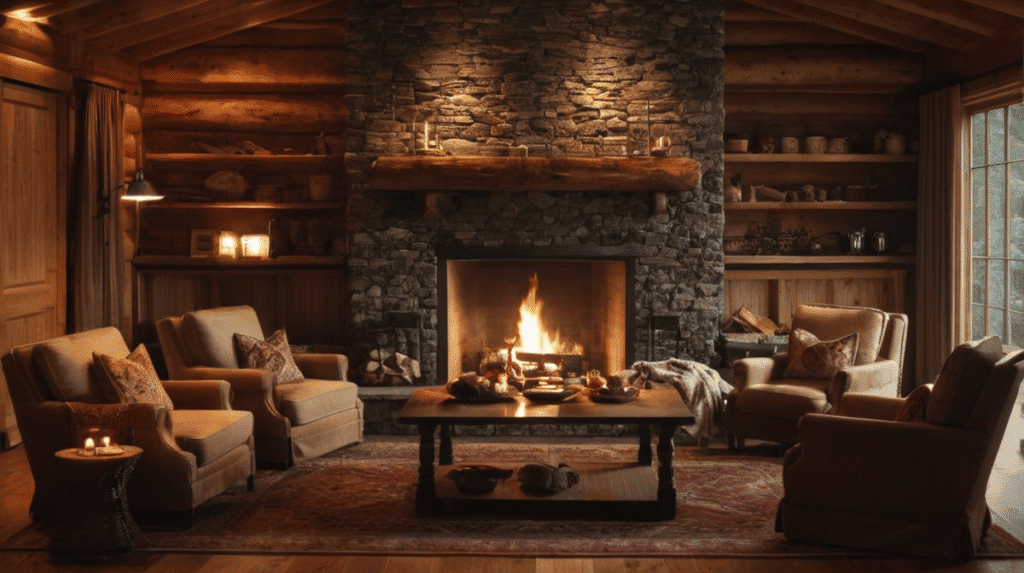
A fireplace gives a cabin an immediate sense of purpose. It becomes the natural centre of the room, especially in colder settings where warmth is part of the atmosphere. Stone works particularly well because it feels solid, timeless, and connected to the landscape outside. Even in a large luxury cabin, a fireplace can stop the space from feeling empty or too polished. It creates a clear gathering point where chairs, sofas, rugs, and lighting can all be arranged around one shared focal point. The result is a room that feels calm, grounded, and easy to settle into.
2. Exposed Wooden Beams Overhead
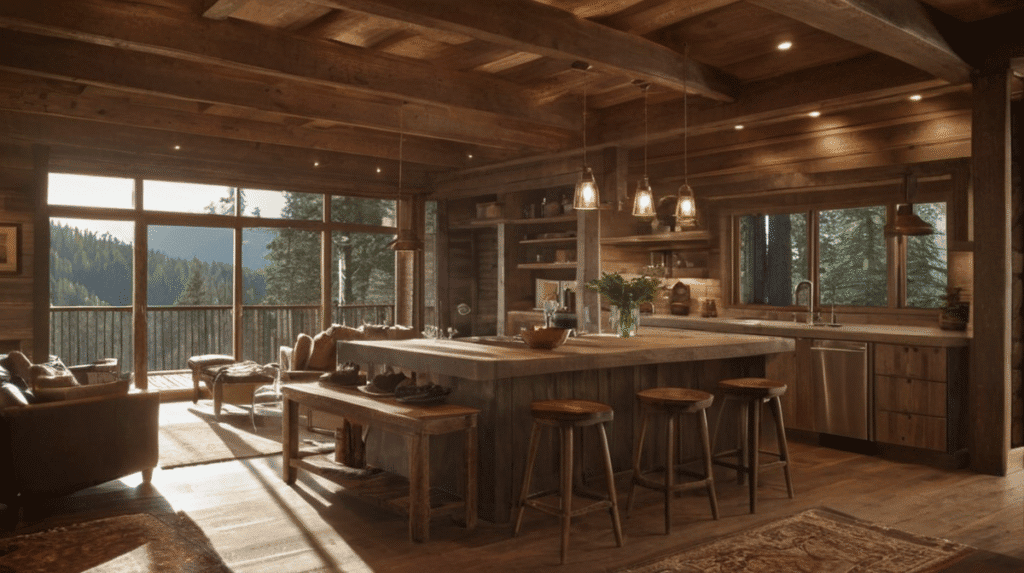
Exposed beams add character without needing decoration. They make the structure of the cabin visible, which gives the room a stronger sense of craftsmanship and weight. In modern homes, ceilings are often flat and plain, but timber beams create rhythm and texture overhead. They also help large rooms feel less cold by drawing the eye upward without making the space feel empty. Dark beams can create a dramatic lodge feeling, while lighter wood keeps the room softer and more relaxed. Either way, exposed beams make a cabin feel more intentional and connected to nature.
3. Warm Window Light at Night
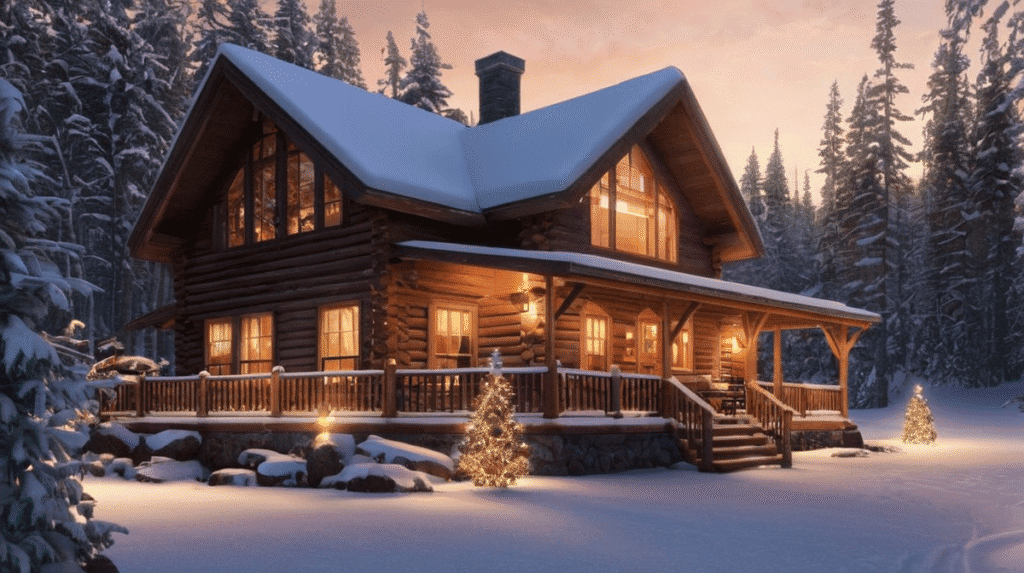
A cabin often feels most inviting from the outside when the windows glow against the darkness. Warm interior lighting gives the home a sense of life, shelter, and comfort. This detail matters because the emotional pull of a cabin is not only about what it looks like inside. It is also about the feeling of approaching it from the cold, the woods, or the snow and seeing warmth waiting inside. Large windows make this even stronger because they reveal small glimpses of the interior: a fireplace, a sofa, a dining table, or soft lamps.
4. Layered Blankets and Textures
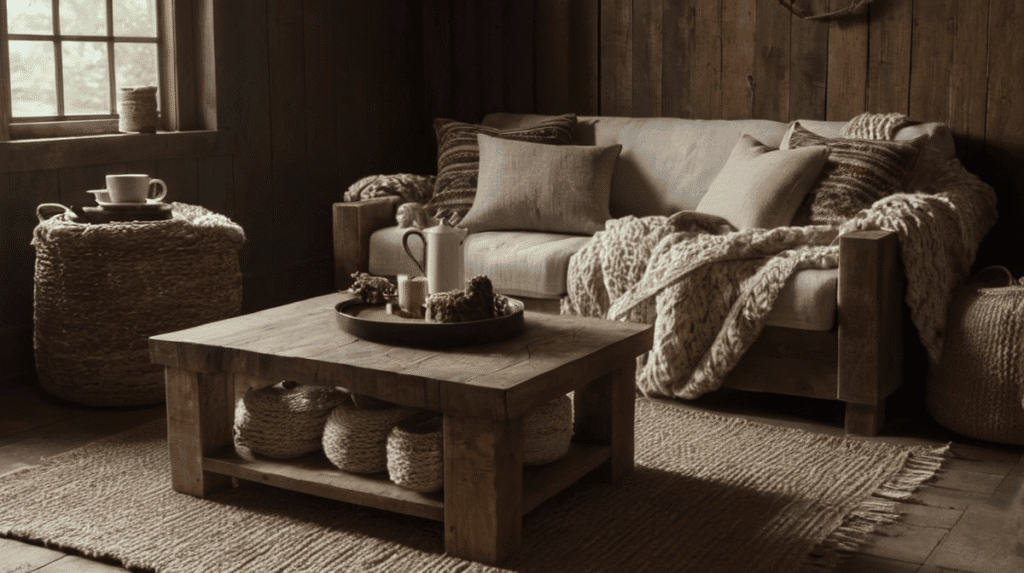
Soft textures make a cabin feel usable rather than staged. A room can have beautiful wood, stone, and glass, but without fabric it may feel hard or unfinished. Layered blankets, cushions, wool throws, and textured rugs add the comfort that makes people want to sit down and stay. The trick is not to overload the room. A few carefully chosen layers are enough to soften the sharper materials around them. Natural fabrics work best because they match the honesty of the cabin setting. Wool, linen, leather, cotton, and faux fur all help create warmth without making the room feel messy.
5. A Deep Sofa Facing the View
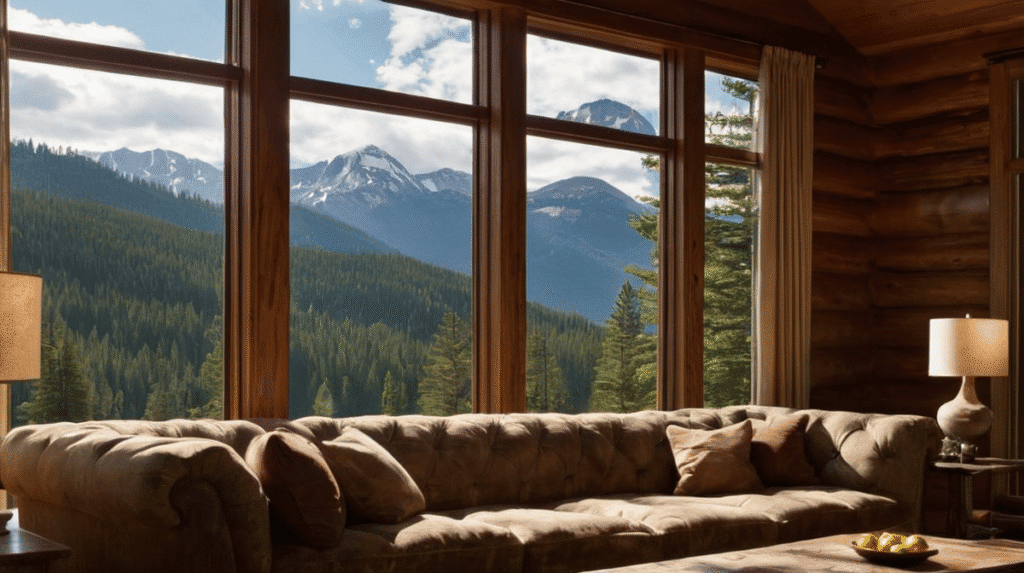
A cozy cabin should give people somewhere to pause. A deep sofa facing a window does that better than almost anything else. It turns the view into part of the room and makes the outside world feel close without losing the comfort of being indoors. This works especially well in cabins surrounded by mountains, trees, lakes, or snow. The sofa does not need to be overly formal. In fact, relaxed seating usually feels better in this setting. The goal is simple: create a place where someone can sit with coffee, look outside, and feel removed from daily noise.
6. Natural Wood Walls That Add Warmth
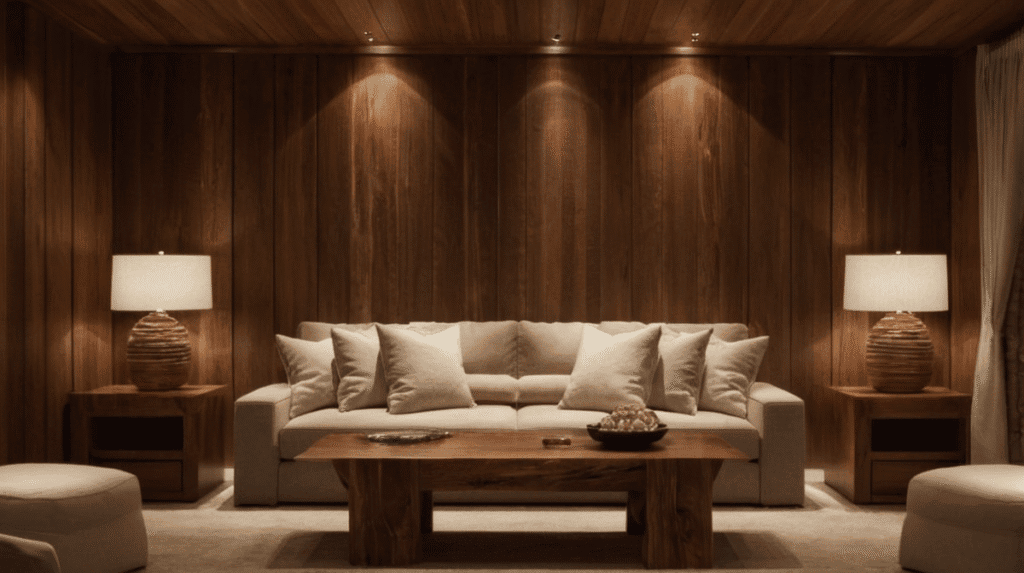
Wood walls are one of the strongest ways to make a cabin feel warm. Unlike painted plaster or plain white walls, timber brings natural variation into the room. Grain, knots, and colour shifts all add depth, which makes the space feel less flat. The key is balance. Too much dark wood can make a cabin feel heavy, while lighter wood can feel fresh and calming. Natural wood works best when paired with simple furniture, soft textiles, and warm lighting. It gives the room character without needing too many accessories or decorative objects.
7. A Dining Table Built for Slow Evenings
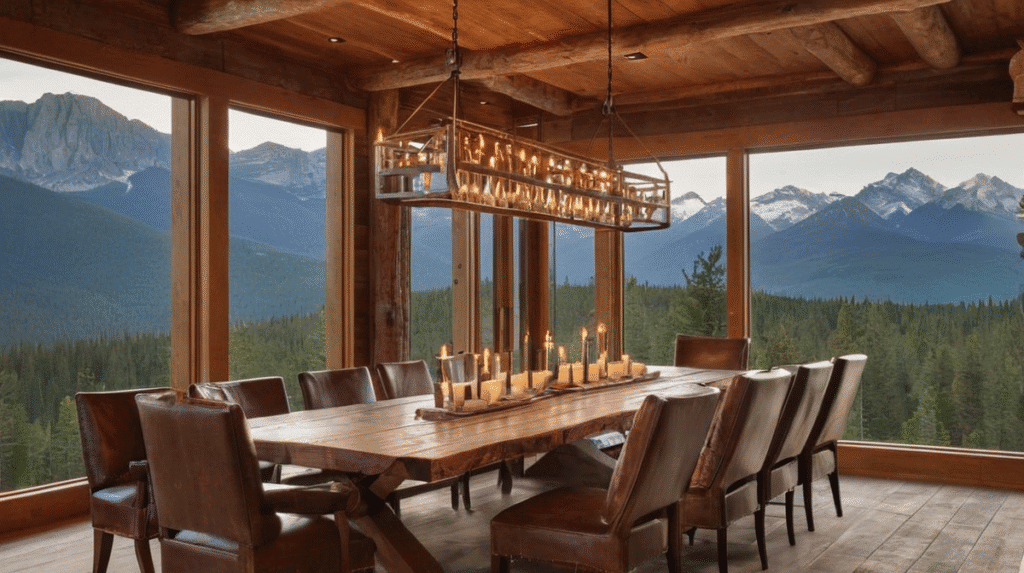
A strong dining area gives a cabin a sense of togetherness. Large wooden tables work especially well because they feel practical, durable, and welcoming. They make the space feel ready for long meals, quiet breakfasts, family visits, or winter evenings indoors. Lighting matters here. A pendant light above the table helps define the area and creates a warmer atmosphere once the sun goes down. The best cabin dining spaces do not feel overly formal. They feel generous, relaxed, and built for conversation. That is what makes them emotionally effective in a home.
8. Soft Lighting Instead of Harsh Brightness
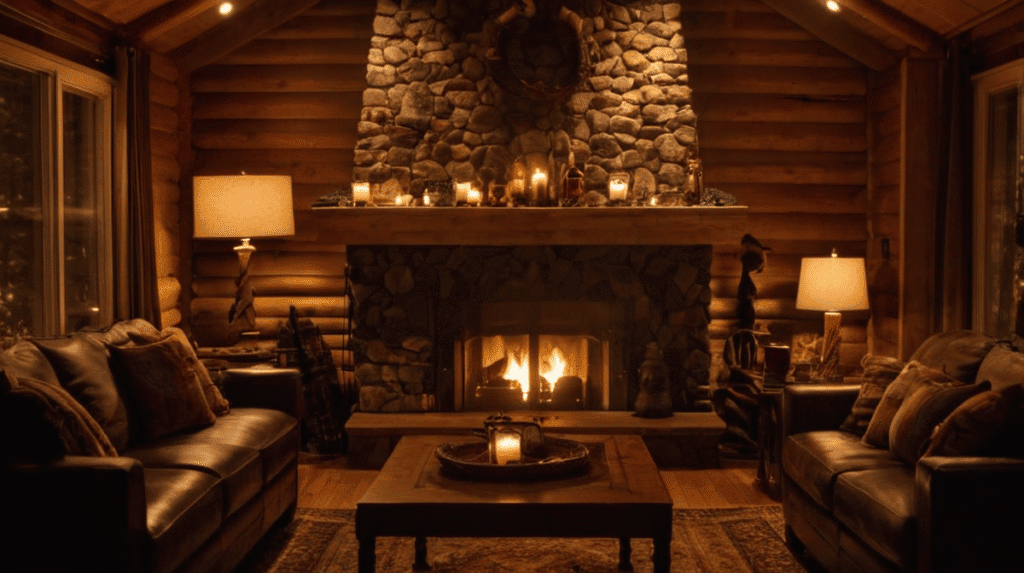
Lighting can decide whether a cabin feels peaceful or uncomfortable. Harsh overhead lighting often makes a room feel flat, even if the design itself is beautiful. Softer lighting creates depth. Lamps, wall lights, candles, firelight, and warm bulbs all help create different layers across the room. This makes corners feel softer and materials look richer. In a cabin, warm lighting also works with wood and stone instead of fighting against them. The goal is not to make the room dark. It is to avoid making it feel exposed, cold, or too bright.
9. A Reading Corner Near the Window
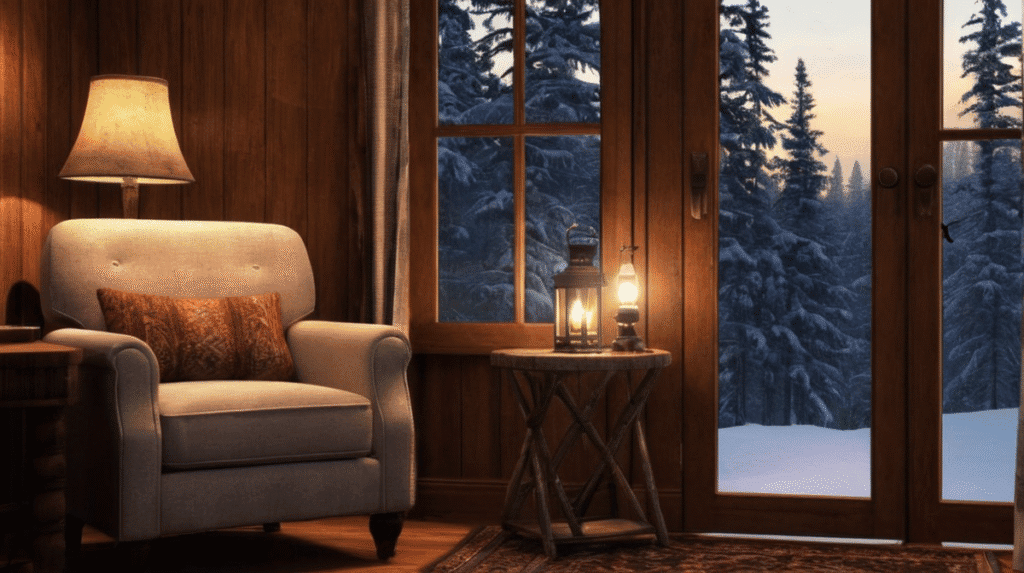
A small reading corner can make a cabin feel more personal. It shows that the home is designed for quiet moments, not just impressive views or large gatherings. The best version is simple: a comfortable chair, a soft throw, a side table, a warm lamp, and a nearby window. This kind of space gives the room a slower rhythm. It also makes use of corners that might otherwise feel empty. In a luxury cabin, these smaller areas are important because they stop the home from feeling like a showroom and make it feel lived in.
10. A Mudroom That Makes Country Living Easier
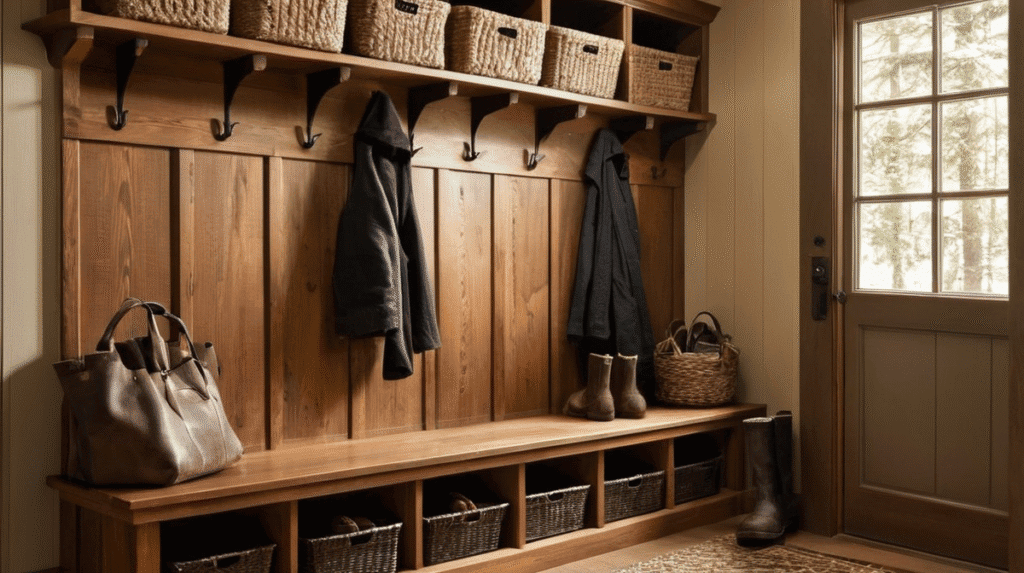
A mudroom may not sound glamorous, but it can make a cabin feel much more complete. Cabins are often connected to outdoor living, which means boots, coats, bags, firewood, and wet weather need somewhere to go. A well-designed mudroom keeps the rest of the home calm and clean. Benches, hooks, baskets, and built-in storage all help make the space practical. It also creates a gentle transition between outside and inside. Instead of walking straight into the main living area, there is a place to pause, remove layers, and settle into the home.
11. Rustic Details That Do Not Feel Forced
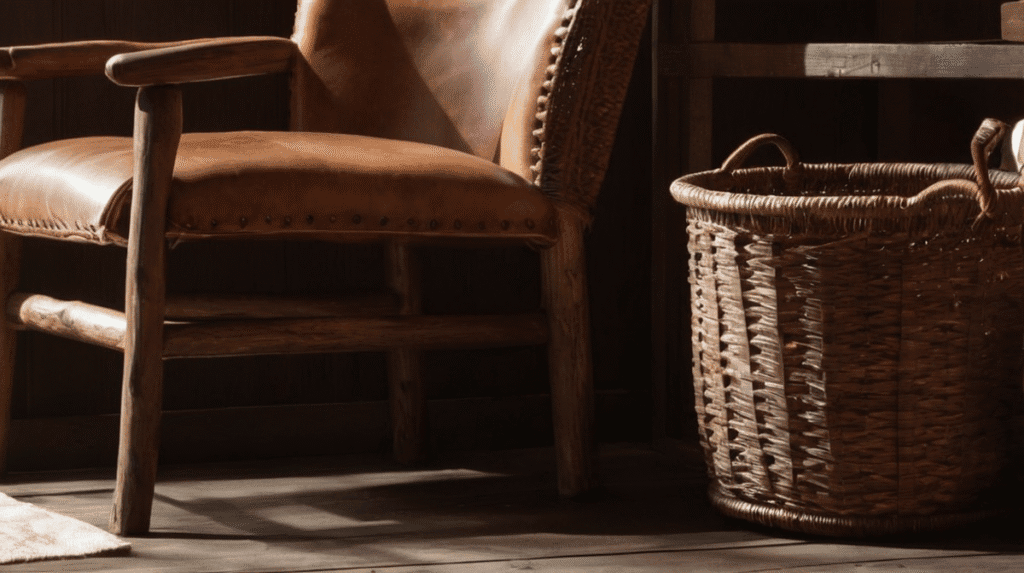
Rustic details work best when they feel natural rather than themed. A cabin does not need fake signs, staged props, or heavy decoration to feel authentic. Materials can do most of the work. Leather chairs, iron handles, woven baskets, raw wood tables, stone surfaces, and handmade ceramics all add character without making the room feel overdesigned. The strongest spaces usually have restraint. They use a few rustic details carefully instead of filling every corner. This keeps the cabin feeling elegant, warm, and believable rather than turning it into a display of clichés.
12. A Bedroom That Feels Quiet and Sheltered
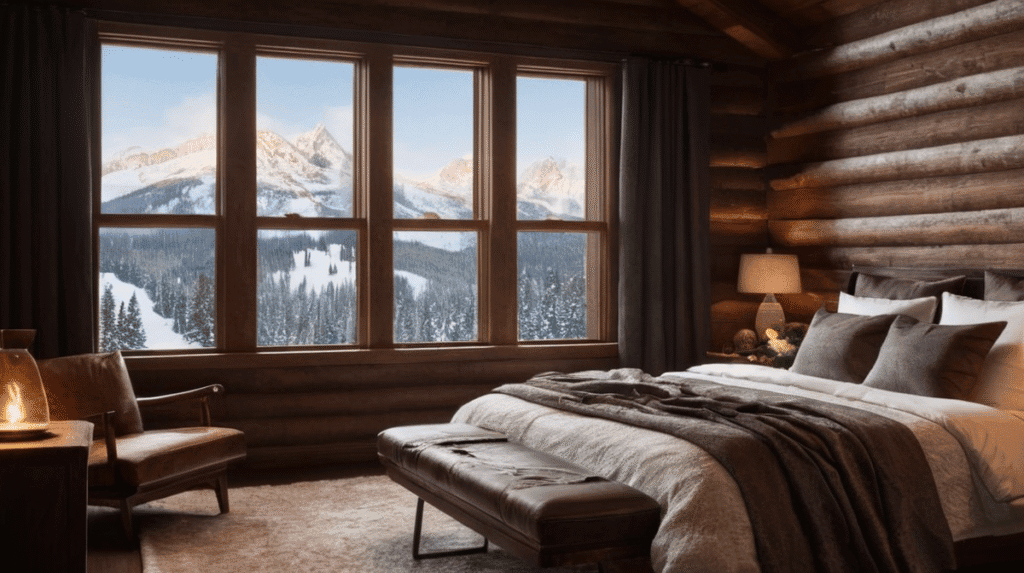
A cabin bedroom should feel like the quietest part of the home. Soft bedding, warm lamps, natural materials, and simple colours can make the room feel protected from the outside world. Wood walls or ceilings add warmth, while layered bedding gives the space comfort without needing too much decoration. Views are helpful, but they should not make the room feel exposed. Curtains, soft lighting, and a grounded bed layout all help create a more sheltered feeling. The best cabin bedrooms are not just beautiful. They make sleep, rest, and stillness feel easy.
Final Thoughts
A cozy cabin is not created by one feature. It comes from the way each detail works together: the fireplace, the lighting, the wood, the textures, the view, and the quieter corners of the home. Luxury can make a cabin impressive, but warmth is what makes it memorable. The homes that feel best are usually the ones that balance beauty with comfort, scale with softness, and design with a real sense of shelter.